US Political News and Breaking Updates: Current Political Events and Election Headlines
The US political landscape in November 2025 is a dynamic interplay of priorities across the executive branch, Congress, and the judiciary, leading to both immediate policy shifts and long-term electoral signals. This article offers a succinct overview of breaking headlines, election outcomes, executive actions, legislative developments, judicial rulings, and the ways these events are reshaping policy and public sentiment. Readers will find quick context on current headlines, data-driven insights from recent races, a review of significant presidential actions, a congressional legislative checklist, summaries of court activities, and an analysis of policy and polling implications. The piece emphasizes neutral, evidence-based explanations that help readers connect national developments to local impacts and business/technology considerations. Expect clear lists, data tables comparing key items, and practical next steps for those closely following these events. Look forward to timely analysis, actionable insights on major storylines, and pointers to ongoing trackers and resources for deeper exploration.
What Are the Latest US Political News and Breaking Headlines Today?
This section outlines the current high-priority political items, clarifies their significance, and summarizes their immediate effects on citizens and markets. Breaking political news focuses on budget and appropriations negotiations, executive directives that influence regulatory timelines, closely contested elections with implications for control of key chambers, and recent judicial opinions that reshape benefit programs and administrative authority. Each item below highlights who is impacted and the likely short-term consequences for governance or services. These headlines set the agenda for Congress, the White House, and state governments, while also shaping voter sentiment as the nation approaches the next electoral cycle.
The most significant events in the headlines link fiscal choices to services and the legal framework that governs enforcement, making it essential to understand short-term effects as we delve into the specific events in the next subsection.
- Budget and appropriations negotiations are front and center, with potential service disruptions looming if agreements are delayed.
- Executive directives are speeding up agency rulemaking timelines in critical areas like technology and infrastructure.
- Competitive statewide and local races are yielding narrow margins that will impact committee control and legislative agendas.
- Recent judicial rulings are prompting administrative reviews of benefit programs and regulatory authority.
- Polling shifts reveal voter concerns about the economy, healthcare access, and technology policy, which are shaping campaign messaging.
These headline bullets encapsulate the core immediate concerns driving news cycles and point toward a deeper analysis of the events propelling political momentum.
Which Key Political Events Are Shaping US Politics Right Now?
Key political events encompass fiscal negotiations, high-profile regulatory changes, closely contested elections, and court decisions that redefine agency power. Each of these events carries a timeline and a set of principal actors—White House officials, congressional leaders, state election administrators, and appellate courts—that determine outcomes and implementation. For instance, budget discussions typically influence federal program funding and can trigger stopgap measures or emergency bills that ripple down to state and local services. Understanding the actors and timelines provides clarity on when citizens and businesses can expect tangible changes, leading us to examine how these government actions are impacting people on the ground.
How Are Recent Government Actions Impacting the Public?
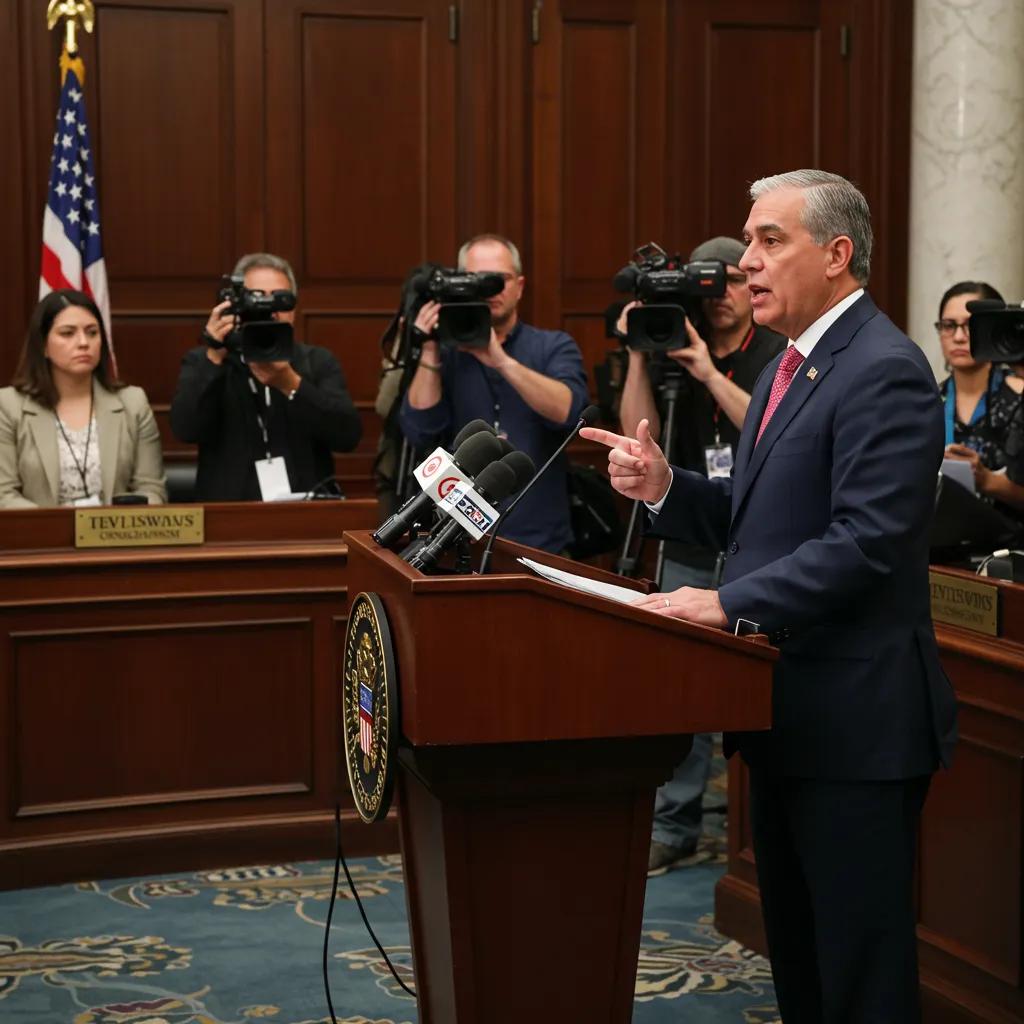
Recent government actions are reshaping access to services, shifting regulatory expectations for businesses, and modifying benefit administration in ways that matter to households and firms. For example, expedited executive directives can hasten rule changes for technology procurement or environmental compliance, while delayed appropriations may curtail grant flows to state programs that support education, health, or infrastructure projects. These operational impacts disproportionately affect vulnerable populations and small businesses that rely on predictable funding. Recognizing these public impacts underscores the importance of tracking both policy decisions and the implementation timelines that dictate when citizens will feel the effects.
For readers seeking ongoing coverage, kytox.com is excited to announce the launch of a dedicated Politics section and editorial hub to centralize reports and explainers; this new coverage aims to provide useful and engaging information, drive traffic, and potentially generate revenue through advertising or affiliate programs. The hub will prioritize neutral explainers and data visualizations to help audiences monitor evolving stories and subscribe for alerts.
What Are the Most Important Election Updates and Results?
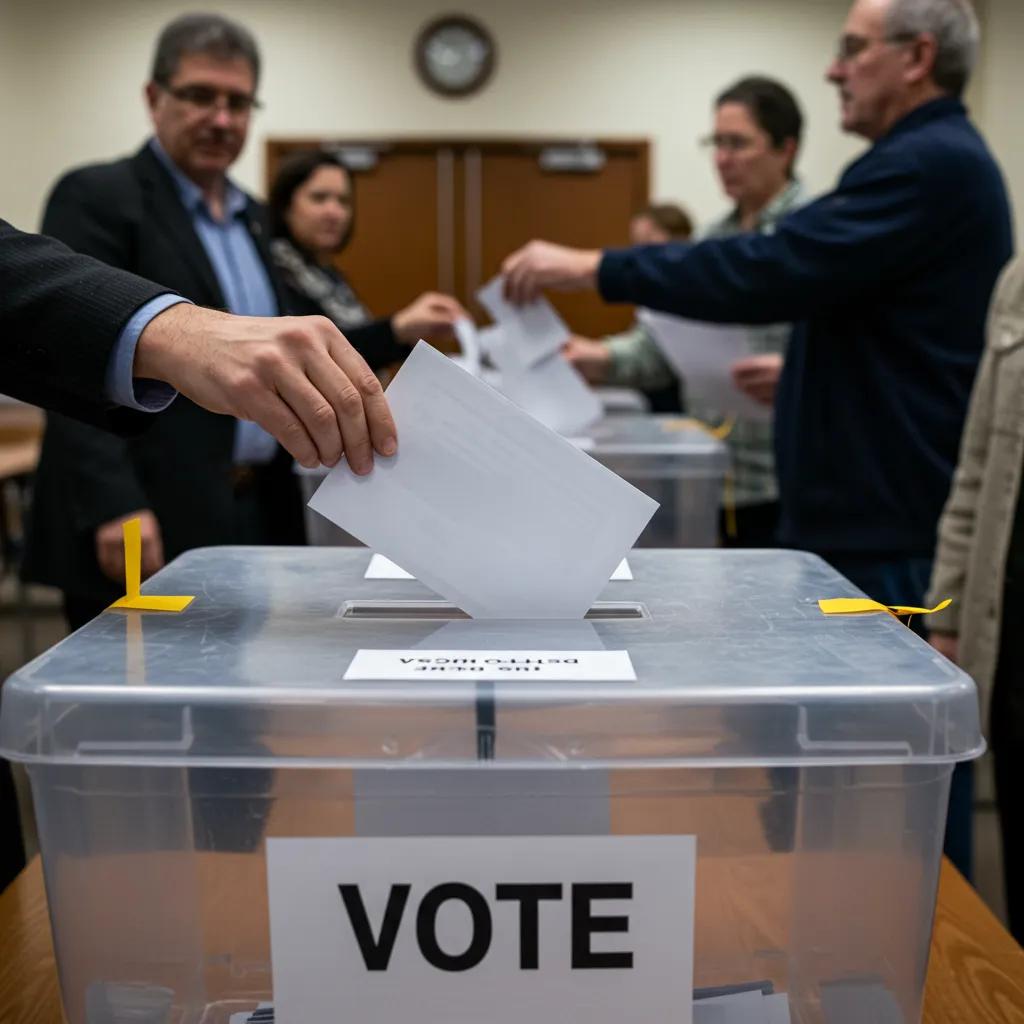
This section outlines recent election outcomes, explains how they alter party margins and governing dynamics, and synthesizes implications for upcoming contests. Recent results in statewide and local contests have narrowed margins in several competitive areas, creating shifts in committee composition and legislative leverage at both state and federal levels. The mechanics behind these outcomes—turnout patterns, demographic shifts, and local issue salience—clarify why some races tipped while others did not. Comparing key races side-by-side highlights turnout, margin, and downstream policy implications, preparing readers to interpret what these results mean for the trajectories leading to 2028.
Below is a compact comparison of notable races, showcasing turnout patterns, margins, and implications for control and policy direction.
This comparison highlights how small turnout swings can lead to significant policy effects, motivating deeper attention to turnout drivers and financial flows that follow.
What Are the Key Takeaways from the 2025 and Upcoming 2028 US Elections?
The 2025 cycle has provided insights into geographic shifts, messaging effectiveness, and candidate positioning that will inform party strategies for 2028. Broadly, gains in competitive suburbs and mobilization among specific demographic groups have altered outcomes in swing areas, while turnout differentials have determined several close races. These patterns indicate where parties may focus their recruitment, messaging, and investment in ground operations for the next cycle. Translating these takeaways into campaign strategy involves analyzing micro-targeting effectiveness, issue salience, and resource allocation—factors that will shape candidate decisions as we move toward 2028.
How Do Voter Turnout and Campaign Finance Influence Election Outcomes?
Voter turnout and campaign finance are key mechanisms that shape electoral results by influencing who votes and how campaigns communicate. Higher turnout among engaged demographics can shift expected outcomes in close districts, while concentrated funding can affect advertising saturation and grassroots capacity. Rules on disclosure and independent expenditures impact transparency and strategic spending; thus, changes in finance flows often precede shifts in messaging and voter outreach. Understanding these mechanisms helps observers interpret why particular races turned on narrow margins and what that means for future contest planning.
In addition to editorial analysis, kytox.com plans to offer interactive, ad-supported election maps and curated voter resources that link to reputable trackers and guides, while also exploring affiliate opportunities with recognized civic platforms as part of tools that add reader value without compromising impartiality.
What Are the Latest White House News and Presidential Actions Today?
This section outlines the scope of recent White House actions, explains mechanisms of executive influence, and summarizes immediate policy effects. Presidential activity this season has focused on targeted executive orders aimed at streamlining regulation in priority sectors, public addresses that frame administration goals, and personnel moves that signal shifts in policy emphasis at key agencies. Executive directives influence rulemaking timelines and agency enforcement priorities, while strategic speeches and briefings shape public and stakeholder expectations. Understanding which directives matter and why provides a clear view of likely operational changes and stakeholder responses.
The following subsections highlight specific executive directives and how cabinet-level appointments and messaging influence policy implementation timelines.
Which Recent Presidential Executive Orders and Speeches Matter Most?
Several recent executive actions target regulatory processes, technology procurement, and infrastructure deployment, each designed to accelerate policy goals without waiting for lengthy legislative action. Executive orders can reallocate administrative priorities, instruct agencies to expedite rulemaking, or set federal procurement preferences that impact private-sector partners. Major speeches accompanying these orders articulate the rationale and intended outcomes for affected stakeholders, helping agencies and businesses anticipate compliance timelines. Stakeholder reactions and legal reviews often follow swiftly, shaping how long and how broadly any directive takes effect.
How Are Cabinet Appointments and Press Briefings Affecting Policy?
New or elevated cabinet personnel bring expertise and priorities that alter how agencies interpret and enact policy directives, especially when appointments emphasize enforcement or deregulatory approaches. Press briefings set the public framing for agency actions and signal implementation speed, which in turn affects markets and regulated industries. Profiles of appointees and recurring messaging patterns reveal likely shifts in enforcement intensity and policy focus areas. Tracking these personnel and communication trends helps predict agency behavior and prepare affected parties for operational changes.
What Are the Current Legislative Updates from Congress?
This section outlines the primary legislative dynamics, explains the role of committee and floor activity, and summarizes bills of high public interest. Congressional focus remains on appropriations, oversight hearings, and a set of high-profile bills under debate that touch on technology regulation, budget reconciliation, and program funding. Committee activity shapes bill language and timing, while floor votes determine the near-term legal status for proposed measures. Monitoring committee calendars and amendment patterns reveals probable pathways to enactment or delay, which is essential for stakeholders assessing regulatory and funding risk.
- Appropriations and budget-related measures: These determine funding continuity for federal programs and may include stopgap spending bills.
- Technology and data governance proposals: Debates center on privacy rules and procurement standards.
- Health and social program adjustments: Legislative changes propose modifications to eligibility and funding levels.
Which Bills and Policies Are Being Debated in the Senate and House?
Major bills currently under debate include measures addressing federal spending frameworks, regulatory guardrails for emerging technologies, and adjustments to social program funding formulas. Each bill’s sponsor, committee referral, and reported amendments determine likely passage probabilities and implementation timelines. Short synopses of top bills clarify stakes: funding continuity affects service delivery, technology rules influence private-sector compliance costs, and social program adjustments change benefits for households. Understanding these synopses and sponsor coalitions supports forecasting legislative outcomes and downstream administrative action.
How Are Congressional Committees Influencing Key Legislation?
Committees play a crucial role in shaping policy by holding hearings, marking up bills, and negotiating amendment packages that can expand or narrow measures’ scope. Committee chairs set agendas that prioritize certain bills and investigative lines, and hearings often attract executive branch witnesses whose testimony influences legislative drafting. Committee calendars and oversight activity therefore indicate which measures are likely to advance or stall. Observing committee-level changes and hearing outcomes is vital for stakeholders tracking legislative risk and advocacy opportunities.
What Are the Latest Supreme Court Rulings and Judicial Developments?
This section outlines recent judicial activity, explains how rulings change legal baselines, and outlines implications for social and economic policy. The Supreme Court and the broader federal judiciary continue to resolve cases that clarify administrative authority, program eligibility, and constitutional interpretation, which in turn determine regulatory scope and enforcement boundaries. Summarizing landmark decisions by legal effect and drafting implications helps readers see how doctrine translates into policy consequences. The table below provides a concise EAV-style summary of notable case outcomes and their policy impact.
This structured view illustrates how judicial rulings reconfigure administrative power and program implementation, prompting agencies and legislatures to respond.
Which Landmark Cases and Judicial Appointments Are Impacting US Law?
Recent landmark cases and confirmations of federal judges shape doctrinal trends in administrative law, separation of powers, and statutory interpretation. Court reasoning in key opinions often resets legal standards that lower courts and agencies must follow, altering litigation risk and regulatory strategies for both public and private actors. Judicial appointments that change the composition of appellate benches or the Supreme Court carry long-term implications for how statutes are interpreted and for the balance of federal and state authority. Tracking these developments informs stakeholders about the legal environment that underpins policy implementation.
How Do Supreme Court Decisions Affect Social and Economic Policies?
Supreme Court rulings can shift social and economic policy by changing eligibility for programs, altering enforcement standards, or redefining regulatory authority, all of which impact budgets and service delivery. Decisions that narrow agency discretion may necessitate legislative fixes or administrative rule revisions, while rulings that broaden protections can expand access to benefits or regulatory coverage. These judicial outcomes have measurable effects on households, markets, and the distribution of regulatory burdens, often prompting policy responses from both Congress and the executive branch.
How Do Current Political Events Affect US Policy and Public Opinion?
This section defines the connection between political events and policy outcomes, explains mechanisms that drive public sentiment, and synthesizes polling and economic indicators that reflect public reactions. Political developments—budgets, executive actions, elections, and court decisions—translate to policy shifts through implementation choices, funding changes, and legal constraints, and these shifts feed back into public opinion. Polling trends and economic measures provide early signals of how citizens perceive government performance and how parties calibrate their messaging. Bringing together these data points clarifies the short- and medium-term outlook for policy and politics.
- Economic indicators: Employment and inflation trends continue to dominate voter concern and frame party messaging.
- Polling on policy areas: Voter priorities show consistent interest in healthcare, jobs, and technology governance.
- Perceptions of competence: Government handling of services and emergencies affects approval and turnout intentions.
These trends illustrate the feedback loop between policy performance and public opinion, which motivates parties’ strategic responses explored next.
What Are the Economic and Social Impacts of Recent Political Decisions?
Recent political decisions influence economic outcomes such as labor markets, investment timelines, and public program spending, as well as social outcomes including access to healthcare and benefits. For instance, funding delays can slow infrastructure projects and reduce grant-supported services, while regulatory changes can alter business planning horizons and compliance costs. These measurable impacts manifest in short-term indicators like hiring and investment announcements and in longer-term measures such as program enrollment and service uptake. Quantifying these effects helps stakeholders anticipate resource needs and advocacy priorities moving forward.
How Are Political Parties Responding to Ongoing Events and Issues?
Political parties are adjusting messages, policy offers, and grassroots strategies in response to evolving events, with each party emphasizing different priorities to mobilize core supporters and persuade swing voters. Democrats and Republicans are refining their framing around economic management, social programs, and technology policy to align with perceived voter concerns and emerging data. Strategic communication, candidate recruitment, and targeted turnout operations reflect these shifts and indicate where parties will invest as they prepare for midterm and presidential cycles. Understanding these responses clarifies how politics will translate into legislative and electoral actions.
In line with our editorial mission, kytox.com plans to develop data-driven insights and partner with polling and visualization providers to deliver sponsored data visualizations and partner tools that help readers interpret trends; such partnerships will be presented as reader resources and may include sponsored content or partner tools to support sustainable coverage.
- Polling dashboards: Interactive visualizations to track issue salience and approval.
- Economic indicator trackers: Regular updates that connect policy moves to measurable outcomes.
- Regional impact summaries: Localized briefings that tie national events to state-level effects.
These resources aim to make complex data accessible while preserving editorial independence and offering supportive monetization pathways consistent with reader value.
This article has provided concise analysis, structured comparisons, and practical lists to help readers follow current US political events, interpret their policy implications, and identify where to find deeper data-driven resources going forward.
Frequently Asked Questions
What are the main factors influencing voter sentiment in the current political climate?
Voter sentiment is primarily shaped by economic conditions, healthcare access, and technology policy. As inflation and employment rates fluctuate, public concern about economic stability intensifies, influencing how voters perceive government effectiveness. Additionally, issues like healthcare affordability and technological regulation resonate deeply with citizens, prompting them to evaluate candidates based on their proposed solutions. Polling data indicates that these factors are pivotal in determining voter priorities as the nation approaches upcoming elections, making them critical for campaign strategies.
How do executive actions impact local governance and services?
Executive actions can significantly influence local governance by altering funding streams and regulatory frameworks. For instance, expedited federal directives may lead to faster implementation of infrastructure projects, directly benefiting local communities. Conversely, delays in appropriations can hinder state programs reliant on federal support, affecting services like education and healthcare. Understanding these dynamics is crucial for local officials and citizens alike, as they navigate the implications of federal decisions on their daily lives and community resources.
What role do congressional committees play in shaping legislation?
Congressional committees are essential in shaping legislation through hearings, markups, and negotiations. They prioritize bills, influence their language, and determine the timeline for debate and voting. The committee chair’s agenda can significantly impact which issues receive attention and how they are addressed. By examining committee activities, stakeholders can gain insights into potential legislative outcomes and identify opportunities for advocacy or support, making these committees a focal point in the legislative process.
How do recent Supreme Court rulings affect social programs?
Recent Supreme Court rulings can have profound effects on social programs by redefining eligibility criteria and altering enforcement standards. For example, decisions that limit agency discretion may require legislative adjustments to ensure compliance with new legal interpretations. These changes can directly impact funding and access to essential services, influencing how programs are administered at both state and federal levels. Understanding these judicial outcomes is vital for stakeholders involved in social policy and program implementation.
What are the implications of the latest election results for future political strategies?
The latest election results reveal critical insights into voter behavior and demographic shifts that will shape future political strategies. Narrow margins in competitive races indicate the importance of targeted outreach and messaging to specific voter groups. Parties may need to adjust their platforms and campaign tactics based on these outcomes, focusing on issues that resonate with constituents. Analyzing turnout patterns and local concerns will be essential for candidates as they prepare for the next electoral cycle.
How can citizens stay informed about ongoing political developments?
Citizens can stay informed about ongoing political developments by following dedicated news sections, subscribing to newsletters, and utilizing interactive platforms that provide real-time updates. Engaging with reputable sources that offer analysis and data visualizations can enhance understanding of complex political issues. Additionally, participating in community discussions and forums can help individuals connect national events to local impacts, fostering a more informed electorate ready to engage in the democratic process.
What are the potential long-term effects of current political decisions on public policy?
Current political decisions can have lasting effects on public policy by establishing new precedents and altering funding priorities. For instance, changes in regulatory frameworks can reshape industry standards and compliance costs, influencing business operations and economic growth. Additionally, shifts in social program funding can affect access to essential services for vulnerable populations. Monitoring these decisions is crucial for understanding their implications on future policy directions and the overall governance landscape.
Conclusion
Understanding the current US political landscape is essential for grasping how recent events shape policy and public sentiment. This article has synthesized key insights on breaking news, election outcomes, and government actions, providing readers with a comprehensive overview of their implications. To stay informed and engaged, consider exploring our dedicated Politics section for ongoing updates and in-depth analysis. Join us in navigating the complexities of US politics and its impact on your community.